Summer Scares Resources

Click here to immediately access the Summer Scares Resource page so that you can add some professionally vetted horror titles into your reading suggestions and fiction collections for all age levels.
Showing posts sorted by relevance for query Forest of Hands and Teeth. Sort by date Show all posts

Tuesday, October 10, 2017

31 Days of Horror: Day 10-- Kelly Powers on Horror’s Appeal Including Her Easy to Use RA Interview Flowcart

Today I have a phenomenal guest post by Horror Writer and School Librarian Kelly Powers. You can read more about Kelly and the work she does as a Junior High Librarian in California in this post from the general blog.

I gave Kelly free reign for her guest post, asking her to share something useful she has done with her students in regards to horror. Well, I am glad I didn’t tell Kelly what to do, because what I got is awesome and useful to every single one of you out there, no matter what age level you work with, and I never would have “assigned” this.

Below you will read Kelly’s post about trying to figure out exactly why “scary books” were so popular at her library. After working with students and colleagues she went through her collection, pulled out the best “scary” books they had, and made this flow chart allowing her to walk herself through the RA interview for a potential horror reader. She has included the questions, and then depending on the answer given, leads you to a possible title.

While these are all YA titles, they can also be enjoyed by adults. But more importantly, you can use this flow chart to help you to conduct your own RA interviews.

Use this link to download a PDF for your own use or see the embedded image below.

Here is Kelly to explain it all....

--------------------------------------------------------------
As a Junior High Librarian, the number one theme I get asked for is "scary books." At first, I wondered why this was. I'm in a fairly good sized library with fiction and non-fiction spanning all genres and subjects, but still, students of both genders seem to be drawn to the dark, scary, and sometimes gory stories. One day, I decided to ask a student about it. She’d blazed through Jonathan Maberry’s Rot and Ruin series and was on book two of Carrie Ryan’s The Forest of Hands and Teeth. Her response was to say that she, "likes them because it helps her forget about other stuff.”

Now, that was a vague response, but it was just detailed enough for me to draw my own conclusions. My school's demographics is 85% Latino, 10% white, 3% African American, and 2% Asian. The school is in the heart of gang territory and we are constantly working to combat the cycle of drugs, homelessness, and violence these kids see on a daily basis. If I take a moment to look through their eyes, I see a world that is floating in a sea of uncertainty. That feeling is compounded if you take the current state of our nation’s administration into account. It is then I understand that for them, a work of fiction which deals with problems or villains much scarier than the ones that my students face every day, can and does work as a window to escapism.

In speaking with a former librarian and current English teacher, he said that the horror genre helps teens feel. Helps them emote and feel compassion. It is why they reach for both horror and “sad books.” They want to feel. They want to emote. Well written horror or drama invokes a deeper response which in turn leads to compassion and hopefully, a love of books.

With these understandings in mind, I set out to educate myself on the various levels of horror novels available in my library. We have quite a few. 170, to be exact, but quantity is not the same as quality when it comes to horror. And understanding the depth of the “scariness” involved is essential for getting the right book into the right student’s hands. For example, I don’t want to recommend A Bad Day for Voodoo by Jeff Strand to a student who has nothing scarier (or gorier) than a Goosebumps novel in mind!

There are different themes in horror that make the reference interview challenging if you don’t know the genre well. With that in mind, I put together a flow chart of YA horror novels that are some of my personal favorites out of my collection. It is compiled of the questions which I ask students when I get the (daily) question, “You got any scary books?" I hope you find it useful too. The novels I used are:

Compilations: 
  • Beware: R.L. Stine Picks His Favorite Stories by R.L. Stine and other authors
  • Scary Out There edited by Jonathan Maberry
  • Scary Stories to Tell in the Dark by Alvin Schwartz and Stephan Gammell
  • Under My Hat: Tales from the Calderon edited by Jonathan Strahan

Novels:

  • Bad Girls Don't Die (Series) by Katie Alender
  • Anna Dressed in Blood (Series) by Kendare Blake
  • I Know What You Did Last Summer by Lois Duncan
  • The Graveyard Book by Neil Gaiman
  • Caroline by Neil Gaiman
  • Gone (Series) by Michael Grant
  • Name of the Star by Maureen Johnson
  • Rot and Ruin (Series) by Jonathan Maberry
  • Haunting of Sunshine Girl by Paige McKenzie and Alyssa Sheinmel
  • Ten by Gretchen McNeil
  • A Monster Calls by Patrick Ness
  • Fear Street (Series) by R.L. Stine
  • Miss Peregrine's Home for Peculiar Children (Series) by Ransom Riggs
  • The Forest of Hands and Teeth (Series) by Carrie Ryan
  • Unwind (Series) by Neil Shusterman
  • A Bad Day for Voodoo by Jeff Strand
  • The Night Parade by Kathryn Tanquary
  • I Am Not A Serial Killer by Dan Wells 

Post by, Kelly Powers
Contributor to The Joe Ledger Companion


Monday, June 24, 2013

20 Books Every Zombie Fan Must Read

Thanks to my feed subscription to Lit Lists, I came across this Lit Reactor list entitled, "10 Books Every Zombie Fan Must Read."

I have reproduces the annotated list below, but the links for the titles are added by me.  I have read or posted about many of these titles in the past, so if you click on a linked title, it will go to my review or comments.

Also, as an expert in zombie fiction I have to say, this is a very solid list representing a wide range of options for all types of zombie fiction fans.  From teen to adult, thriller to literary fiction to pure horror, it is all here. Please go and check the honorable mention list too.  I added links on those relevant titles.


10. Patient Zero  by Jonathan Maberry

There were a few zombie books we could've chosen by Bram Stoker Award-winning author/zombie aficionado Jonathan Maberry, and this one barely won out over Rot and Ruin and Dead of Night, but Patient Zero deserves a spot on this list because it is a zombie novel for people who don't like zombie novels. Detective Joe Ledger is a tough guy leading man to rival anyone you've seen on the big screen. As part of a government task force whose mission it is to keep terrorists from deploying a bio-chemical weapon that turns us all into zombies, Ledger is full of so much bravado, action, and manly knowledge of advanced weaponry that he's almost cartoonish, but if you want a fast-moving, creepy book full of explosions, b-movie-style jumps, and evil geniuses (oh, and zombies), Maberry's got your number.
For fans of: Jonathan Spy thrillers, tough guys, Jack Bauer from 24, The A-Team, zombies

9. Day by Day Armageddon  by J.L. Bourne

Day by Day Armageddon describes the downfall of humanity through the diary of a U.S. naval officer. To keep the personal, intimate feel of a journal, Bourne originally wrote the story by hand—complete with scratch-outs, underlines, and margin notes—and uploaded the "journal" piece by piece to his website, where it became a cult hit among zombie fans. Bourne was eventually approached by Simon & Schuster, who did a 50,000 copy first print run, and have since published two sequels. The plot is fairly standard "zombie apocalypse happens, guy defends his house, guy picks up other survivors and travels for a while, group of survivors holes up in a missile facility and defends against the living and undead" style stuff, but the presentation is suspenseful, personal, and engaging. This is a quick read that feels almost voyeuristic at times.
For fans of: Reality TV/voyeurism, military terminology, first-person narration, old-school slow-moving zombies

8. As the World Dies: The First Days  by Rhiannon Frater

When a book starts with an abusive father gnawing on his three-year-old, it didn't come to mess around. Especially when it's described like so: "She found Lloyd hunched over Benjamin, eating away her baby's tender flesh." There's not much of the baby left. Probably because "Lloyd always was a big eater." These are the first images in Frater's trilogy, which was self-published before being picked up by Tor Books, and the gore, dark humor, and action just keep going. Abused (and, to be honest, fairly annoying) housewife Jenni joins up with lesbian attorney Katie for a zombie-killing road trip across Texas to pick up Jenni's step-son. This is not high-brow literature, nor is it feminist parable (goofy love triangles and catty comments abound), but it is a fun apocalyptic read.
For fans of: The Walking Dead, love triangles, gore, dark humor, Thelma and Louise, zombies

7. Forest of Hands and Teeth  by Carrie Ryan

Like most teenagers, Mary has a crush (two actually), teen angst, a mistrust of authority, and a desire to escape from the rule-laden world where she was raised. Unlike most teens, Mary lives in an isolated village separated from a forest full of flesh-eating zombies by a single fence. This—the first book of Ryan's well-received YA trilogy—could, in some ways, just as well have been set in an urban gated community with violent gangs outside its walls. The metaphor of the teenage desire to buck rules and build an adult life would have stood up, but as a general rule, if you can add zombies to a plot, go ahead and do so. Same with unicorns. Mary's own parents are among the "Unconsecrated" (religious terms and imagery are plentiful, and Mary's world is ruled by a religious order known as The Sisterhood). But before her mother started wandering around the Forest of Hands and Teeth as one of the zombified, she told Mary of a thing called the ocean, and Mary's desire to see the mythical beaches makes her consider risking everything.
For fans of: The Hunger Games, teen crushes and angst, YA supernatural fiction, fantasy, Shyamalan's The Village, zombies
 

6. Zone One  by Colson Whitehead

Thoughtful turns of phrase, biting dark humor, careful satire, and zombies, Colson Whitehead's Zone One isn't going to give you non-stop zombie-shooting head-smashing action (though the flashbacks to the outbreak are intense), but it is worth a read. Mark Spitz is a "sweeper," clearing away stragglers from Manhattan's Zone One district after the zombie attacks. These trapped souls are malfunctioning zombies, destined to ceaselessly repeat mundane acts they carried out while alive—filling balloons at a party store, working the copy machine, flying a kite with no wind. More lyrical than many zombie novels, Zone One provides careful wartime satire mixed with bleak allegories about modern life.
For fans of: Satire, uber-dark humor, New York City stories, the place where literature and genre novels meet, zombies

5. Breathers: A Zombie's Lament  by S.G. Browne

The most ridiculous (in a good way) book on our list is S.G. Browne's entertaining debut about modern life as a zombie. After Andy Warner dies, he has trouble adjusting to his new life as one of the undead. And who could blame him? He has to live in his parents' wine cellar, isn't allowed to go to the movies or even use the internet, and is constantly harassed by frat boys and other members of the living (aka "Breathers"). Things change after he meets Rita, a recent suicide who eats cosmetics for their formaldehyde content, and Jerry, a car crash victim who loves Renaissance porn, at an Undead Anonymous meeting. Together they learn the delights of devouring human flesh and find new ways to stand up for the rights of zombies everywhere.
For fans of: Max Brooks's The Zombie Survival Guide, Shaun of the Dead, black comedy, Warm Bodies, rom-coms, zombies

4. Feed  by Mira Grant (aka Seanan McGuire)

Do you want the good news or the bad news? Let's start with the good because the bad is a doozy. The good news is that, according to Feed, we have managed to cure both cancer and the common cold. The bad news? Combining those two cures reanimates the dead. It's pretty inconvenient. A zombie apocalypse story, a political thriller, and a cautionary tale about the state of modern media all at once, the first novel in Mira Grant's Newsflesh trilogy is as much about the state of the world post-zombie outbreak as it is about the zombies themselves. Our snarky heroes are three bloggers who—in a world where mainstream media almost let everyone get devoured by zombies—are, along with their blogging brethren, responsible for getting the truth to the people. In the way of the truth are zombie giraffes, corrupt politicians, grand conspiracies, and hoards of undead who share a collective consciousness and get smarter in groups. The trilogy is a bit campy and unnecessarily descriptive at times (the first book weighs in at 600 pages), but if you don't mind those minor details, this Hugo Award-nominated book is a fun, intriguing read. (On a side note: I'm fond of the subtle pop culture references to other zombie books and movies woven throughout the books, from characters named Shaun and Buffy to the acknowledgement that George Romero is "one of the accidental saviors of the human race.")
For fans of: The West Wing, political thrillers, sci-fi, campiness, bashing traditional media, blogging, zombies

3. Raising Stony Mayhall  by Daryl Gregory

In 1968, Wanda Mayhall and her three daughters discover a frozen baby in a snowstorm. He is not breathing and has no heartbeat, but he begins to move. Knowing that authorities would destroy the baby, Wanda decides to raise him as one of her own. What follows is one of the biggest twists on the zombie genre in recent memory. Stony Mayhall (the zombie kid) is raised with his human family, but realizes he is different. He is, for example, shot in the chest with an arrow at one point without pain. As he grows older, he wonders what it means to be human and this heartfelt, emotional book takes on some distinctly philosophical undertones. As an older boy, he meets other members of the living dead but realizes that, because of his upbringing in a living family, he feels different. Layers of civil rights commentary are deftly woven into the plot. If you are not a horror fan, but want an excellent read about the human condition, Stony Mayhall is your man.
For fans of: Coming-of-age stories, Philip K. Dick, heartwarming undead families, science fiction, civil rights, zombies

2. World War Z  by Max Brooks

Presented as a series of UN-commissioned interviews a decade after the zombie outbreak, World War Z is terrifying because it feels like it could happen. If zombies were real, this is actually how things would go down. And that's true horror. Author Max Brooks—who exchanged the tongue-in-cheek presentation of his 2003 Zombie Survival Guide for a gritty portrayal of loss and devastation—said, "[E]xcept the zombies ... everything else in the book is either taken from reality or 100% real. The technology, politics, economics, culture, military tactics... it was a LOT of homework." At times, Brooks's portrayal of postwar culture hits a little too close to home, forcing readers to confront the darker side of human nature, the dangers of bureaucracy, American isolationism, and corporate corruption in between tales of the murderous undead. Because the book is less about a single story arc and more about how the individuals being interviewed have been affected, it'll be interesting to see how the new Brad Pitt film handles Brooks's bestseller.
For fans of: Episodic presentation, extreme realism, social commentary, military tactics, Theodore Judson's Fitzpatrick's War, Studs Terkel's The Good War, zombies

1. The Reapers Are the Angels  by Alden Bell

Temple is a 15-year-old girl who has never known a world that didn't involve bashing in the skulls of zombies (here known as "slugs"). She handles these encounters like I handle seeing a spider in my house—as unpleasant but survivable encounters. What she does not handle as well is the guilt, grief, and emotional baggage she drags around during her quest for redemption. The bleak, painfully honest portrayal of Temple's loneliness and self-doubt—not the "slugs"—put this book at the top of our list. In fact, the origin of the slugs is never even revealed. What's passed is in the past, and the narrative lives in the present. "Beautiful" is not a word normally used to describe zombie tales, but this is no ordinary zombie book. It hits you with unexpected moments of joy amidst the horror, and with prose that owes quite a debt to Southern Gothic literature, The Reapers Are the Angels proves that zombie stories can be literary. They can make you cry. They can introduce you to introspective, believable, memorable characters that stay with you long after you've finished reading. One last thing: Don't think that because the protagonist is a teenager, this is a YA book. It's not. You'll scar your kiddos with this one.  
For fans of: Cormac McCarthy, Flannery O'Connor, William Faulkner, strong female protagonists, zombies.

Ten Honorable Mentions

Thursday, October 15, 2015

31 Days of Horror: Day 15-- Two Authors in One Post...Cross and Thorne On Their Favorites

Alistair Cross and Tamara Thorne are two horror writers who have found success writing alone and together.  They also host a show on the Authors On The Air Global Radio Network called Haunted Nights LIVE!! Tonight, they are hosting horror legend Douglas Clegg.

The podcast is very useful to librarians as they interview horror authors and discuss genre related issues.  Click here to see more about their show.

Alistair and Tamara each contributed a post about their favorite scary books for my public librarian audience. 

First up is Alistair Cross. Bio:
Alistair Cross was born in the western United States and began penning his own stories by the age of eight. First published by Damnation Books in 2012, Alistair has since published several more novels. In 2012, he joined forces with international bestselling author, Tamara Thorne, and as Thorne & Cross, they write the successful Gothic series, The Ghosts of Ravencrest. Their newest novel, The Cliffhouse Haunting, is an Amazon Best Seller, and this summer also sees the release of Alistair’s solo novel, The Crimson Corset. 
In 2014, Alistair and Tamara began the internet radio show, Thorne & Cross: Haunted Nights LIVE! Haunted Nights LIVE! premiered to great acclaim and has featured such guests as Chelsea Quinn Yarbro of the Saint-Germain vampire series, Charlaine Harris of the Southern Vampire Mysteries and basis of the HBO series True Blood, Jeff Lindsay, author of the Dexter novels that inspired the hit television series, Jay Bonansinga of the Walking Dead series, Laurell K. Hamilton of the Anita Blake Vampire Hunter novels, and New York Times best sellers Christopher Rice, Jonathan Maberry, and Christopher Moore. 
Alistair is currently at work on several projects including a solo novel and a new Thorne & Cross collaboration. His influences include the works of Stephen King, Dean Koontz, John Saul, Ira Levin, and William Peter Blatty.
For more info about Cross and his works go to his website. Here is his contribution to 31 Days of Horror:


When it comes to horror, I like it all. From hard-hitting, in-your-face screaming terrors, to distant whispers, creaking floorboards, and the soft, subtle seduction of the unknown, horror has enraptured me since the night I discovered it in the pages of Bram Stoker’s Dracula. I was only eight years old and because most of the story was over my head, I didn’t finish the novel until many years later, but I did make it far enough that fateful night to have my imagination forever reshaped by images of the Count climbing the castle wall, as seen through the eyes of Jonathan Harker. I must have re-read that scene a dozen times, becoming more and more captivated - and horrified - with each reading. It haunted me … and I liked it.

From that moment on, I made it my mission to be terror-stricken, and as I consumed scary movies and gorged on horror novels, I realized I’d found a great sense of peace, of home, in that lingering feeling of foreboding. That low buzz of exquisite dread that chilled my skin, shortened my breath, and set my teeth just a little on edge … this was, and is, my natural habitat. It reminds me that I’m alive and that there is more to life than what we see every day - and that not everything can so easily be explained away.

It was only natural, of course, that I would go on to write horror, and when it came time to write my own vampire novel, I thought a lot about Dracula - the way it shocked me, the way it seduced me - and I tried to scandalize my readers in a similar manner within the confines of my own tale, The Crimson Corset.  I wanted to caress and coddle the reader with real characters, make them feel comfortable in my home, offer them a cup of tea - then, and only then, going for the jugular. And I wanted to show that not all vampires are bad, just as not all humans are good. Some of the most horrific characters aren’t monsters at all, not vampiric ones at any rate, and I drew this from how charming Dracula could truly be one moment, and how bloodthirsty the next - and how very believable he was. I wanted to do Bram Stoker proud in my own work, to pay homage, and to thank him for his book.

But while I would certainly consider Dracula one of my favorite horror novels, I can’t fairly say that it is my only favorite. There are simply too many to choose from, and I’d be remiss if I didn’t mention another of my personal go-tos. On the other side of scream-out-loud terror-fests there is a cozier kind of horror, a quieter - and in that sense, more dangerous - kind, and steeped in this territory is where I discovered Daphne DuMaurier’s Rebecca. While Rebecca might not be considered horror in any traditional sense, this novel is a treasure trove of sinister suggestion, hints of heinousness, and mumblings of the macabre.

Rebecca is the kind of story that sneaks up on you. It moves silently and speaks just above a whisper, but it touches you on the shoulder, making its eerily still mysteries known to you at the appropriate times. Rebecca is one of horror’s hidden treasures and my collaborator, Tamara Thorne, and I make no secret that we channel it frequently in our Gothic serialization, The Ghosts of Ravencrest. And when it comes to personal favorites, I’d put Rebecca right up there with Stephen King’s Misery, John Saul’s Suffer the Children, and Ira Levin’s Rosemary’s Baby. But again, Rebecca is a lady. She won’t jump out at you from dark corners and grab you by the throat. Rather, I’d say Rebecca is quite gentle. In fact, I’d consider it a great Halloween read for the reluctant horror reader.

And this is what I love about horror. It spans the entire spectrum, dabbling a little in all genres, and adding a touch of spice. Horror is more than blood-splatter, slasher flicks, and torture porn. It’s everywhere - in fiction and beyond. It’s the creak on the stairs, the whisper of sheets at night, the tapping of tree limbs on the window. In short, horror exists mainly in your own imagination, and that’s what makes it so much fun. The movies and the books are manifestations of someone’s idea of what is scary, and anything can be scary.

So to choose a definite favorite? I simply couldn’t.

Now it is Tamara Thorne’s turn. Bio:
Tamara Thorne's first novel was published in 1991. Since then she has written many more, including international bestsellers Haunted, Bad Things, Moonfall, and The Sorority. Tamara's interest in writing is lifelong, as is her fascination with the paranormal, occult, mythology and folklore. She's been an avid ghost story collector and writer all her life. 
Today, she and her frequent collaborator, Alistair Cross, share their worlds and continue to write about ghosts and other mysterious forces. Their latest novel is The Cliffhouse Haunting, and The Ghosts of Ravecrest arrives in novel format in September.Tamara and Alistair co-host Thorne & Cross: Haunted Nights LIVE! every Thursday night on Blog Talk Radio.
For more info about Thorne and her work visit her website. Here is her post:

My mother told me I was born begging for ghost stories and I know it’s true. All I ever wanted to read were books about haunted houses, haunted caves, haunted sidewalks, haunted anything - if it was haunted I would devour it. Around second grade, she got out my sister’s old Nancy Drew novels and I began reading those, eternally dissatisfied because the ghosts in those books always turned out to be fake. To me, that was a big, disgusting cheat. I turned to collecting non-fiction books about hauntings and American folklore and science fiction stories.

Then, the summer before third grade, I discovered Ray Bradbury and tore through his books so quickly that my mother bought them all for me that Christmas. And thus began a ritual. I read Ray Bradbury’s Dandelion Wine each June, and Something Wicked this Way Comes every October. I continued this all the way through high school and still reread them every few years. These two books contained both beauty and horror and transported me into Bradbury’s Green Town, Illinois, where young boys in the late 1920s and early 1930s flirted with mysteries and magic, lightness and dark. With his poetic prose, Bradbury taught me to appreciate all six senses and to notice the small details of life, from the slightly sinister aroma of dark cellar dirt to the bounce of new sneakers on the first day of summer. He made me feel a boy’s fear when Douglas Spaulding explored the old ice house in the ravine, and I shared Will Halloway’s excitement at the sound of a carnival train’s midnight whistle and shivered with strange new terrors when he encountered the deadly but alluring blandishments of the dark creatures in Cooger & Dark's Pandemonium Shadow Show.

Ray Bradbury was my first and best writing teacher. He taught me to pay attention to every sense, to watch for dark things hiding in the light, to know that horror lurks in your own backyard, just waiting for you to uncover it. I understood, too, that older people had fears I did not yet comprehend, like fear of aging, fear of death and failure, and I took these lessons and remembered. He was - and is - my favorite writer. He was my mentor. I see his influence in my work - the delight I feel as I describe a dark forest or the darkness at the top of the stairs in an old house or the sigh of the wind as it caresses an abandoned grape arbor at midnight. That’s Bradbury’s influence, all of it.  Books like my own October-based novel, Bad Things, and Halloween-centric Moonfall are homages to Bradbury.

At that early age, I continued to hunt for ghost stories, but found Arthur Conan Doyle’s Sherlock Holmes instead. It satisfied my love of murder and mystery and taught me even more. My favorite, of course, was The Hound of the Baskervilles, though I still wish there could have been some indication there was a supernatural hound lurking about, not just one live dog dabbed with phosphorescent paint. Around the same time, the TV serial, Dark Shadows began and renewed my need for ghosts and haunted houses. I began writing Dark Shadows stories in addition to all those Star Trek “novels” I wrote when no one was looking.

And then, the summer before sixth grade, I found a book by Shirley Jackson in the library. The Haunting of Hill House would set the course for this lifetime.

I brought it home and read it, then read it again. All told, I probably read it half a dozen times before I had to take it back. I was entranced and my search for ghost stories went into overdrive. At that time, gothics were at a peak - books with covers that usually featured a spooky old mansion with a single light on in a tower room and a windswept girl running away in abject terror. I checked them out by the dozens at the library, but was rarely satisfied because they usually lacked ghosts. Marilyn Ross had begun writing a line of Dark Shadows novels and my mother bought each one as it came out; those were better. But none came close to Jackson’s novel.

Until I found Richard Matheson’s down-and-dirty homage to Hill House, Hell House.  Once again, I rode the terror. I read and reread both books and so many others, digesting novels like Rosemary’s Baby in an evening. In just a couple more years, Tom Tryon released Harvest Home and The Other.  Soon after, a young writer named Stephen King hit. That was the era of gothics and horror, the 70s and 80s, and I ate them all up and begged for more.

I first published in the early 90s, but it was almost a decade before I would attempt my own haunted house novel, Haunted, which remains my best-selling book to this day, perhaps because it is an homage to Houses Hill and Hell, with nods to all my other loves from The Ghost and Mrs. Muir to the evil doll genre that my editor insisted I include.

In all the years I’ve been publishing, I have never wanted to write anything but horror. I love to celebrate strange noises, phantom perfumes, glimpses of ghosts from the corner of the eye. I love to wonder - and hope my reader wonders along with me - if there’s really a ghost or if it’s someone trying to gaslight my protagonist. (And oh, how I loved the novel, Gaslight!) My sci-fi loving aspect enjoys wondering what science might tell us about ghosts (The Forgotten) and my murderous side wants to know who Jack the Ripper really was (Eternity). But it’s usually all about the ghosts.

Most recently, I revisited The Haunting of Hill House and other classic horror novels, when my collaborator, Alistair Cross, and I wrote The Cliffhouse Haunting. It takes place in a mountain lodge and features an elemental spirit, lots of ghosts, and a couple of serial killers along with a town full of eccentrics. That’s our basic recipe for fun.

We are also about to release The Ghosts of Ravencrest, a gothic complete with a cover featuring a young woman in front of a spooky old mansion. This novel is the first in a series called The Ravencrest Saga, and pays homage to Dark Shadows, Rebecca, and all the other great gothic thrillers Alistair and I have loved throughout our lifetimes. Ravencrest features a young governess encountering all sorts of mysteries, romance, ghosts, witches, and other creatures in a grand mansion called Ravencrest that was moved, stone by stone, from England in the early 1800s. Ravencrest allows us to visit different eras of history - to meet the people who later haunt the mansion - much as the time-hopping Dark Shadows did. We simply adore this kind of work.

All the writers who contributed wonderful scares to my imagination over the years have made me what I am today. There are so many, but Bradbury, Jackson, Matheson, Tryon, and King are my favorites. I hope to discover many more before the Reaper grabs my trusty Mac from my hands and tries to make me retire. He’ll fail though. I’ll just become a ghost writer. Boo!

Friday, May 27, 2011

What I'm Reading: Rot and Ruin

Jonathan Maberry is one of my favorite horror writers.  This year he started a YA zombie series.  Back in September, before the first book in the series, Rot & Ruin came out, I posted this interview with Maberry.

Of course, the book was on my to-read list from that moment on.  To help matters along, this year's bibliography for the Adult Reading Round Table will be focused on YA titles.  All of us on the Steering Committee will be reading 1 YA title that would be good for adults, and 1 adult title that would be good for teens.  I put myself down for Rot & Ruin (teen to adult) and The Radleys by Matt Haig (Adult to teen).

So with all of that hype, how could the book have lived up.  I will tell you I thoroughly enjoyed reading Rot & Ruin, but I should warn readers, it is very typically and YA novel.  If you are not used to reading YA I should let you know what to expect: absent parents, teenaged protagonist, tough moral choices, huge coming-of-age theme.  Also, while many reviews claim this novel has more violence and gore than most YA horror, if you read Maberry's adult novels, this one is tame in comparison.

Here is the basic plot.  Benny Imura was a baby when the zombie apocalypse came.  He was saved by his half brother Tom, but their parents were victims.  It is now 14 years later and Benny and Tom live in a town in CA surrounded by fences.  The rules are, 6 months after your 15th Birthday all residents need to pick a career and help out.  Benny is up against the deadline and reluctantly agrees to join the family business.  Tom is a bounty hunter who kills zombies outside the walls of town in what is known as "The Rot and Ruin."  But, he is a gentle and good bounty killer.

Once Benny accompanies Tom on his rounds outside the safety of town, Benny's entire life is turned upside down.  He must confront his own preconceived notions about the world and address his personal feelings about his brother, his friends, and his former heroes.  In short, he must reevaluate everything he has ever known.

This is a powerfully moving story.  The world Maberry has set up is one of the best post-apocalyptic zombie settings I have ever read; and believe me, I have read many.  The descriptions of how the zombies rose, why they took over, and how society now functions is detailed and interesting.  Anyone interested in post-apocalyptic tales of any kind will like this novel.

The characters are well drawn, complex, and interesting, and not just the main characters.  Also, one of Maberry's specialties is creating really evil human villains.  He is on top of his game here.  The zombies are well described, the fight scenes compelling and scary, and the over all tone is anxious and frightening.  The end is resolved and touching  but with the hint of more adventures to come.

The pace is classic horror:  begins with a foreboding scene, then backs up to fill us in on details, and beings to build steadily until the end, when it picks up and races to the finish.  Like all good horror, the story is only taking a breather at the novel's end.  We know there will be more bad guys and zombies to come.

Readers will fall in love with Maberry's storytelling style.  It is compelling, action packed, full of great characters, and awesomely evil villains.  The man rarely gets a bad review from the professionals or readers.  In my new book, Maberry is grouped with Joe Hill as the "New Kings of Horror."  If you like horror at all, read something by Jonathan Maberry.

Rot & Ruin was on the 2011 YALSA list of Best Fiction for Young Adults.  August sees the release of part 2, Dust & Decay.  Great covers by the way.

Three Words That Describe This Book: post-apocalyptic, coming-of-age, difficult choices

Readalikes:  Zombies are everywhere these days, and I love every minute of them.  But in this case, a readalike would need to be okay for a YA audience too.

Many readers cite The Forest of Hands and Teeth by Carrie Ryan (also a series) as a great readalike.  Apparently, Ryan's novel is a also less graphic.

People who enjoyed Feed by Mira Grant or The Reapers are the Angels by Alden Bell will also enjoy this novel.  Click here for my joint review of these two novels.

Charlie Higson's Enemy series or Patrick Ness' Chaos Walking series are also great suggestions here.

Another good post-apocalyptic novel without zombies, but with a similar feel and a high quality of writing for a YA book, is How I Live Now by Meg Rosoff.

Also, Benny has a lot in common with Katniss from the Hunger Games trilogy.

I could go on forever with suggested readalike options, but I will stop with this one: The Zombie Survival Guide: Complete Protection from the Living Dead by Max Brooks.  Read up and be prepared...
Thursday, February 16, 2017

The 16 Most Anticipated Horror Novels of 2017 via LitReactor

Below is a great list of horror titles via LitReactor that you should consider for your library this coming year. Seriously, all of them should be considered.

But I also wanted to specifically point out the 5 female authors in this list, since it is still Women in Horror Month. There is a mix of well known names [Kiernan] and exciting newcomers [see the #1 title!], but what is most heartening is that there are 5 on this list at all. Back when I was working on the first edition of the book [2001] I was struggling to find any female horror authors to include-- and I was trying. But now, they are showing up with regularity [not equality yet, but regularity].

It is also important to note that LitReactor is quickly rising to the top of my resources to identify the best horror for public libraries. Click here to pull up all of their horror content.

Now read on and start pre-ordering...


Do not fear, dear readers, for good ol’ Max has saved the day with the best looking horror titles coming out in 2017. Obviously he couldn’t include the kickass books he’s publishing through his own small press, because then he would be fired, and you would all be sad.
So buy these books also!

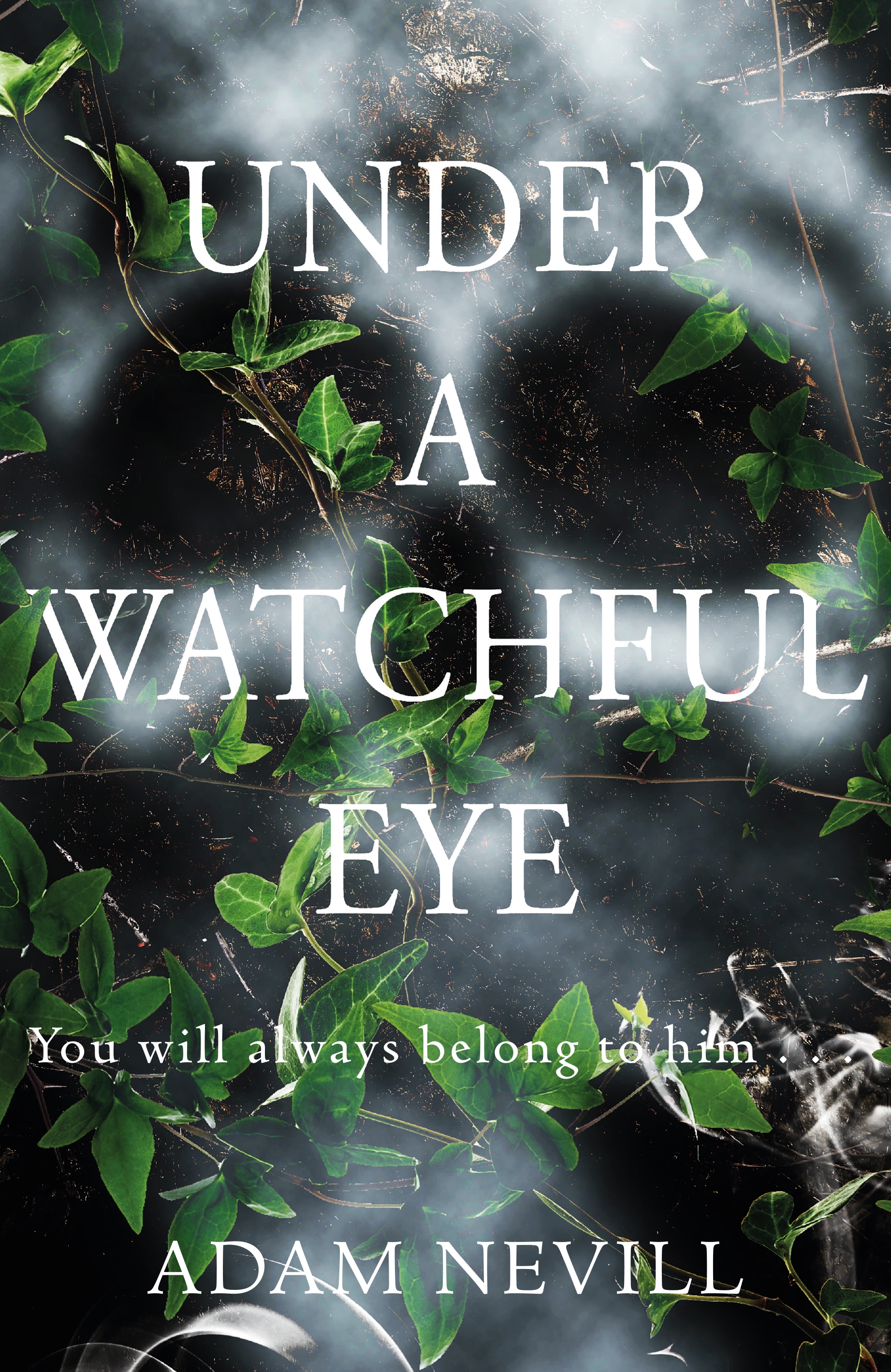
16. 'Under a Watchful Eye' by Adam Nevill (January)

I’ve never read Adam Nevill, but people sure love the shit out of this guy. I recently acquired his novel, The Ritual, and it sounds right up my alley and I can’t wait to dig in. Same goes for his latest novel, Under a Watchful Eye, released just yesterday. The synopsis promises a healthy dose of paranoia with supernatural elements that begins with a writer being trolled by fake reviews. That sounds hilarious and potentially very creepy.

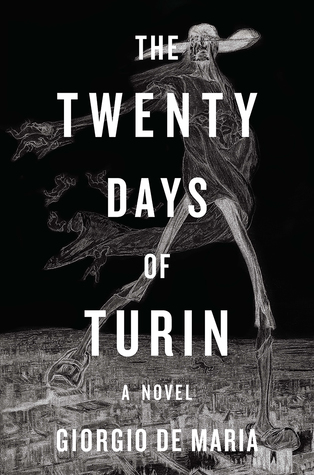
15. 'The Twenty Days of Turin' by Giorgio De Maria (February)

This book first caught my eye thanks to Jeff VanderMeer’s blurb:
"The Twenty Days of Turin by Giorgio De Maria is a chilling novel that conjures up the creepy claustrophobia of The Tenant and the mind-bending epic horror of House of Leaves―except spread across an entire city. Odd libraries, uncanny monuments, horrific deaths, and terrifying puppet shows…even days later, I’m still flinching at shadows, unable to forget the riveting details of a newly unearthed uncanny classic."
If that doesn’t get you pumped to read this book, I don’t know what will. This was an instant pre-order.

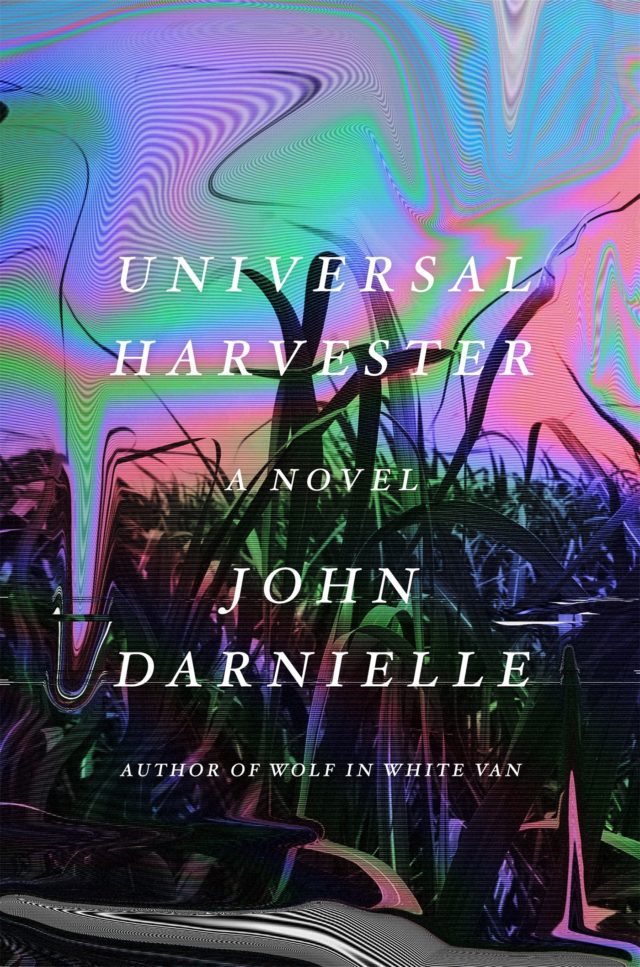
14. 'Universal Harvester' by John Darnielle (February)

Most know John Danielle as the man behind The Mountain Goats. Well, he’s also a great novelist, as he made very clear in his book, Wolf in White Van. His new novel, Universal Harvester, seems to be about a video store clerk in the late ‘90s discovering altered versions of the movies his customers rent.
From the book description:
"In the middle of each movie, the screen blinks dark for a moment and the movie is replaced by a few minutes of jagged, poorly lit home video. The scenes are odd and sometimes violent, dark, and deeply disquieting. There are no identifiable faces, no dialogue or explanation―the first video has just the faint sound of someone breathing― but there are some recognizable landmarks. These have been shot just outside of town."

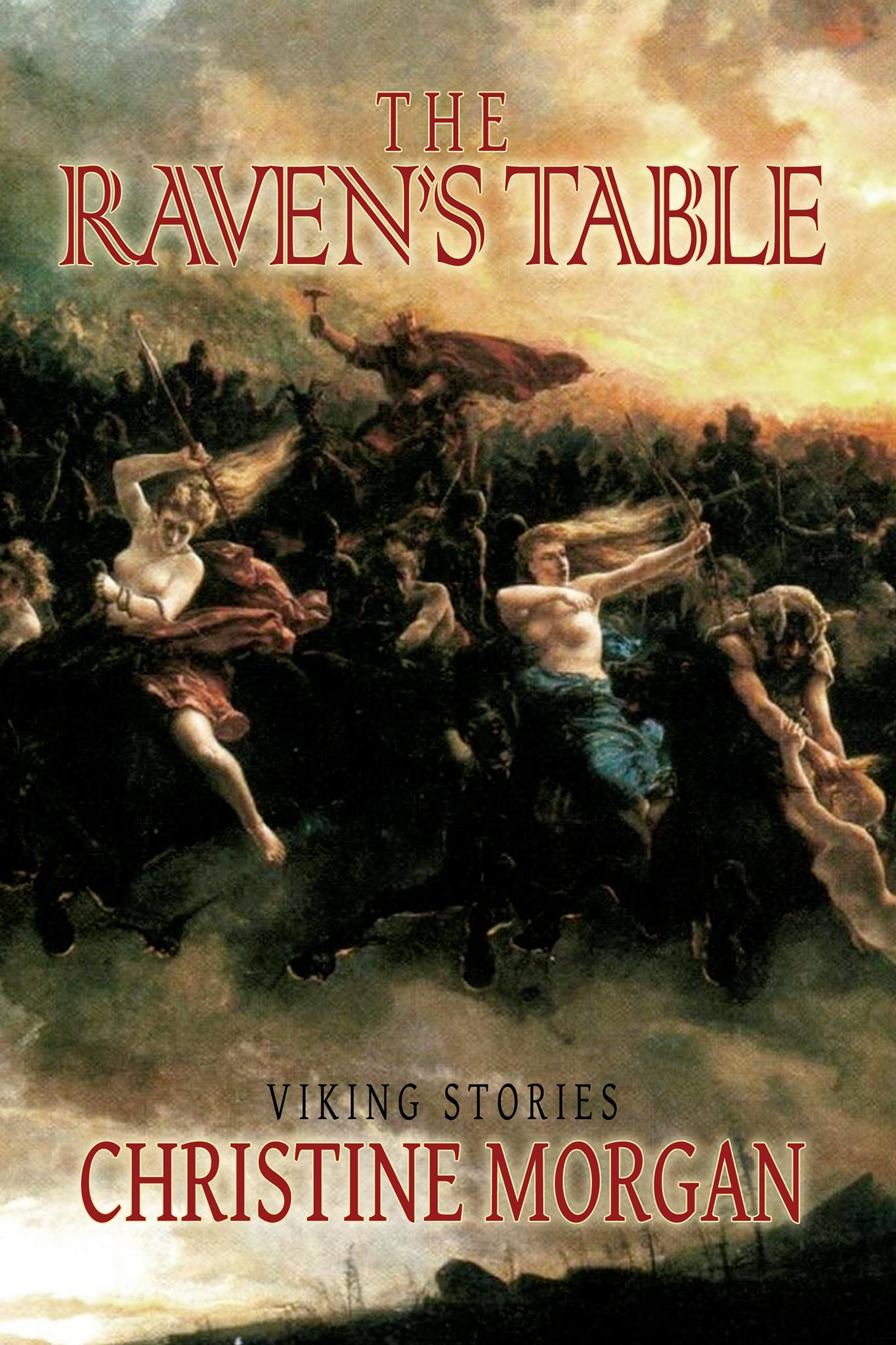
13. 'The Raven’s Table' by Christine Morgan (February)

Morgan seems to have a short story in just about every decent looking horror anthology these days, and for good reason. This April Word Horde will be releasing a new collection of her Viking-themed stories titled The Raven’s Table. Fair warning: this book may in fact be too badass for us to handle.

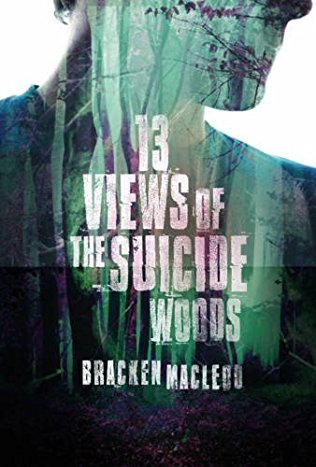
12. '13 Views of the Suicide Woods' by Bracken MacLeod (March)

Bracken MacLeod’s debut novel, Mountain Home, completely blew me away. It starts off violent and unforgiving and it doesn’t flinch away. His other novel, Stranded, is also receiving a ton of praise I am sure is justified. So it makes sense that his new story collection looks like an intense addition to his growing library of work. Just the title alone makes me want to own it.

11. 'Black Mad Wheel' by Josh Malerman (March)

I’ve made my love for Josh Malerman no secret on this website. He’s one of my favorite new horror writers and I have high hopes for his future. Everything he releases is refreshing and a genuine delight. His new novel looks fucking great. Here’s what Malerman had to say about it in a recent interview I conducted with him:
"Black Mad Wheel takes place in 1957. Former members of the army band, four guys who are now in a rock band playing all over Detroit, are tapped by the army to go to the Namib Desert in Africa and locate the source of a very frightening sound. Like Bird Box, the narration is split in two...the soldier-musicians hunting this sound...and a hospital in Iowa where one of the musicians is trying to heal from what the sound did to him."

10. 'Dear Sweet Filthy World' by Caitlin R. Kiernan (March)

Most fans of horror fiction only need to hear Kiernan’s name to influence an immediate purchase, and her latest collection offers no exception. If you aren’t reading Kiernan, what the hell are you doing with your life?

09. 'Entropy in Bloom' by Jeremy Robert Johnson (April)

2017 is the year of amazing story collection titles. 13 Views of the Suicide Forest, Dear Sweet Filthy World, and now Entropy in Bloom? Holy crap. You probably know Jeremy Robert Johnson from his mind-fuck of a novel, Skullcrack City. Now you can further get to know him with a collection of his best fiction to date.

08. 'Beneath' by Kristi DeMeester (April)

This is another Word Horde release. Surely another winner from a press I have a massive crush on. Beneath is about a reporter investigating a snake-handling cult in rural Appalachia. Cosmic weirdness ensues. Why haven’t I already read it? Why isn’t it April? WHY CAN’T ALL THESE BOOKS BE IN MY HEAD ALREADY?

07. 'River of Teeth' by Sarah Gailey (May)

Shut your stupid face and pre-order this one immediately. This is a book about man-eating hippos. I don’t care what kind of fiction you like, I don’t see how this won't fail to entertain every single person on the planet. MAN-EATING HIPPOS. ARE YOU SERIOUS. I didn’t even realize how desperately I wanted a book about man-eating hippos until this was announced, but now it’s all I can think about. Read an excerpt here.

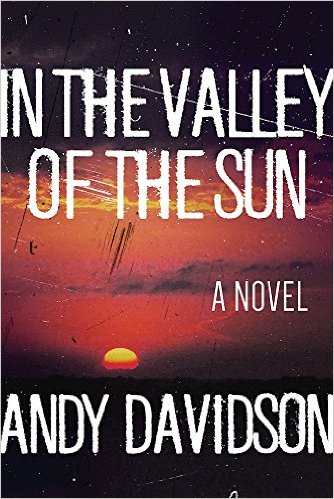
06. 'In the Valley of the Sun' by Andy Davidson (June)

Stephen Graham Jones’s blurb for this book made me pre-order it right away, so maybe it’ll work with you, too:
"Turns out there's a middle space between Tender Mercies and Preacher and Henry: Portrait of a Serial Killer. It's called In the Valley of the Sun. And if I didn't know Andy Davidson had written it, I'd swear this was some long lost William Gay. I burned through this. It’s got teeth on every page."
Whoa, right? Whoa.

05. 'Mapping the Interior' by Stephen Graham Jones (June)

And speaking of SGJ, did you really think I’d ever write a book list without including something he’s written? Ha-ha, think again, you fool. Announced only yesterday by Tor, Mapping the Interior seems to be about a boy who discovers a secret doorway in his house, late at night, and realizes just how big his house really is. The cover alone is beautiful, and I’m sure the inside will match the exterior.

04. 'An Augmented Fourth' by Tony McMillen (June)

This is the third title from Word Horde I’ve included. I would include more if I knew about them. This press has yet to release a disappointment. All I know about An Augmented Fourth is that it’s “Black Sabbath meets The Thing” and holy shit take my money.

03. 'Meddling Kids' by Edgar Cantero (July)

Once in a while you read about a book and it immediately gets you dancing with joy. A book so perfect for your specific tastes that you can’t even believe it exists. That was my initial reaction when I read about Edgar Cantero’s upcoming Meddling Kids. Out of all the books on this list, I want this one the most. I don’t just want to read it. I want to make love to it. I want to marry it.
Just take a look at the market copy and tell me I’m crazy:
"For fans of John Dies at the End and Welcome to Night Vale comes a tour de force of horror, humor, and H.P. Lovecraft. The surviving members of a forgotten teenage detective club (and their dog) must reunite as broken adults to finally solve the terrifying case that ruined them all…and sent the wrong man to prison. Scooby Doo and the gang never had to do this!"
WHAT? Is this reality? AM I EVEN ALIVE RIGHT NOW?

02. 'The Dark Net' by Benjamin Percy (August)

I admit, when I first read about this book, I laughed at how ridiculous it sounded. But the more I thought about it, the more the possibilities of total creepiness drifted in, and now I can’t wait to get my hands on Percy’s new novel:
From Amazon:
"The Dark Net is real. An anonymous and often criminal arena that exists in the secret, far reaches of the Web, some use it to manage Bitcoins, pirate movies and music, or traffic in drugs and stolen goods. And now, an ancient darkness is gathering there as well."
Let’s just hope the inevitable hacker characters feel more realistic than most of Hollywood’s pathetic attempts.

01. 'Her Body & Other Parties' by Carmen Maria Machado (October)

I recently discovered Carmen Maria Machado’s short fiction via the kickass story app, Great Jones Street, and my life is all the better for it. Machado’s work is as inventive as it gets, and everything I’ve read by her has been an absolute treat. So hell yeah, you bet I pre-ordered her debut story collection, and so should you. If you’re on the fence, here’s a free story of hers over at Lightspeed.